School Website Development Company in India
Admission enquiries, fee payments and parent logins — so the office is not the only way in.
 Written by Vishwa Vivek Yadav, Founder & CTO · Updated
 What usually brings a school to us
Every school we have worked with described the problem the same way before anyone mentioned a website.
- 01
Admission season runs on phone calls and paper
Parents ring to ask the fee, the last date, which documents to bring. The form is collected in person during office hours — which are also the hours those parents are at work.
- 02
Parents cannot find anything on their own
The notice went home in a school bag. The fee receipt is a paper slip. The result is on a board in the corridor. Every one of those becomes a call to the office, and the office is three people.
- 03
The site falls over on the day it matters
Result day and the admission deadline are the two days a school website is genuinely needed, and they are the two days a site built for average traffic stops responding.
What we build into a school website
Start with the modules that matter for the next admission cycle. The rest can follow once that one is behind you.
Admission enquiry and full application
Start with an enquiry form that reaches the office WhatsApp in seconds. Grow into a full application — class selection, parent and student details, document upload, application fee — with a dashboard where the office shortlists and calls.
Fee payment with an automatic receipt
UPI, cards and net banking through Razorpay, PayU or Cashfree, whichever suits your bank. Term fees, admission fees and transport fees each tracked separately, with a receipt generated and filed against the student.
Parent and student logins
Fee history and what is pending, attendance, results, homework and notices — in one place a parent can open at night. A parent with two children sees both without logging in twice.
Notices, results and the photo gallery
The three most-opened parts of any school site. Write a notice on Sunday and schedule it for Tuesday morning, publish results searchable by roll number, and upload a 400-photo annual day album that still loads on a phone.
Built to survive result day
Result pages are served from a cache close to the parent rather than from one server, so the hour when every family opens the site at once is an ordinary hour. Forms are rate-limited at the edge so a payment gateway hiccup does not become a failed application.
Found by parents searching for a school
Parents search "CBSE school near me", your school by name, and your fee structure. School schema tells Google your board and the classes you offer, and your Google Business Profile is set up per campus with real photos.
Education projects you can open right now
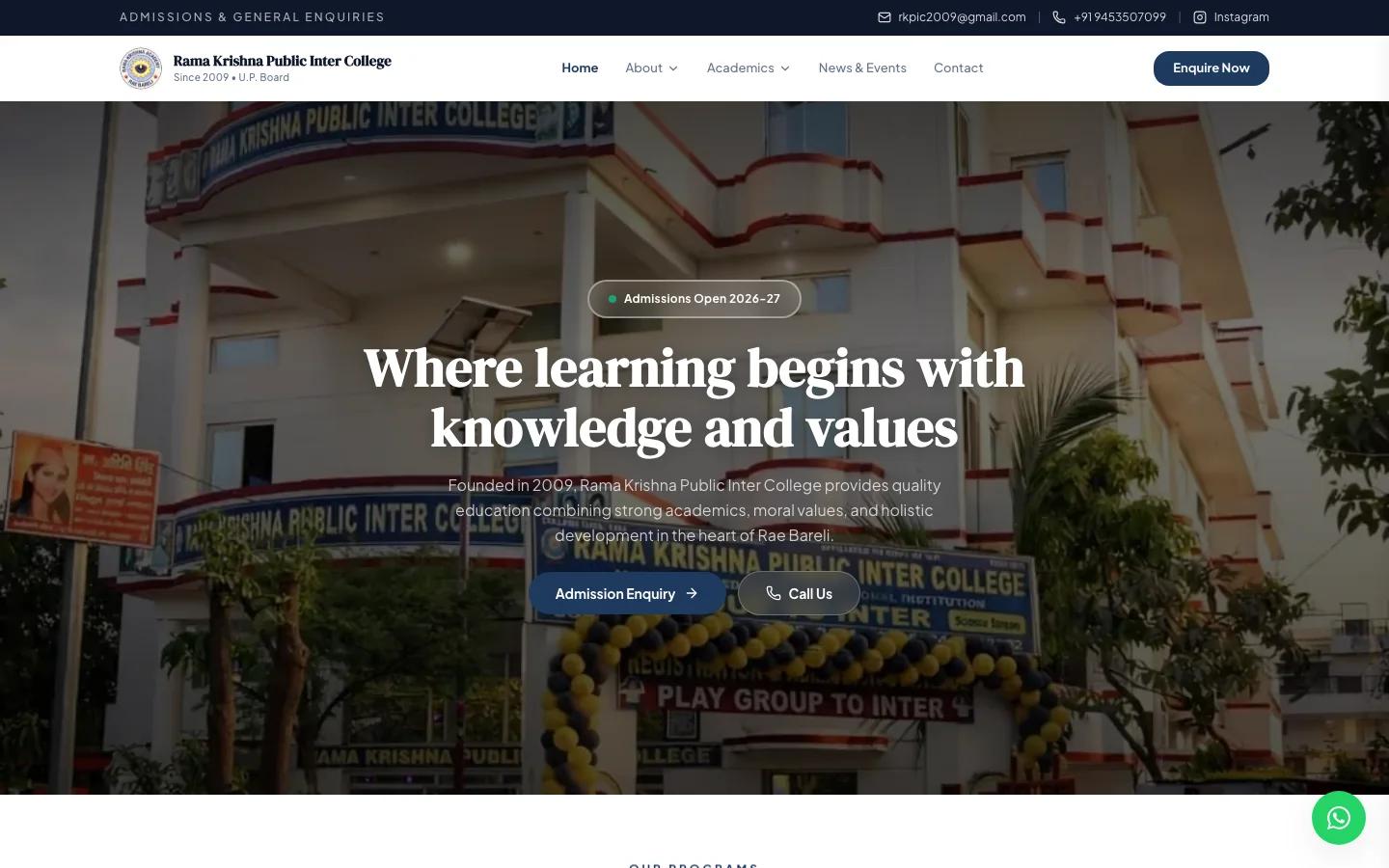
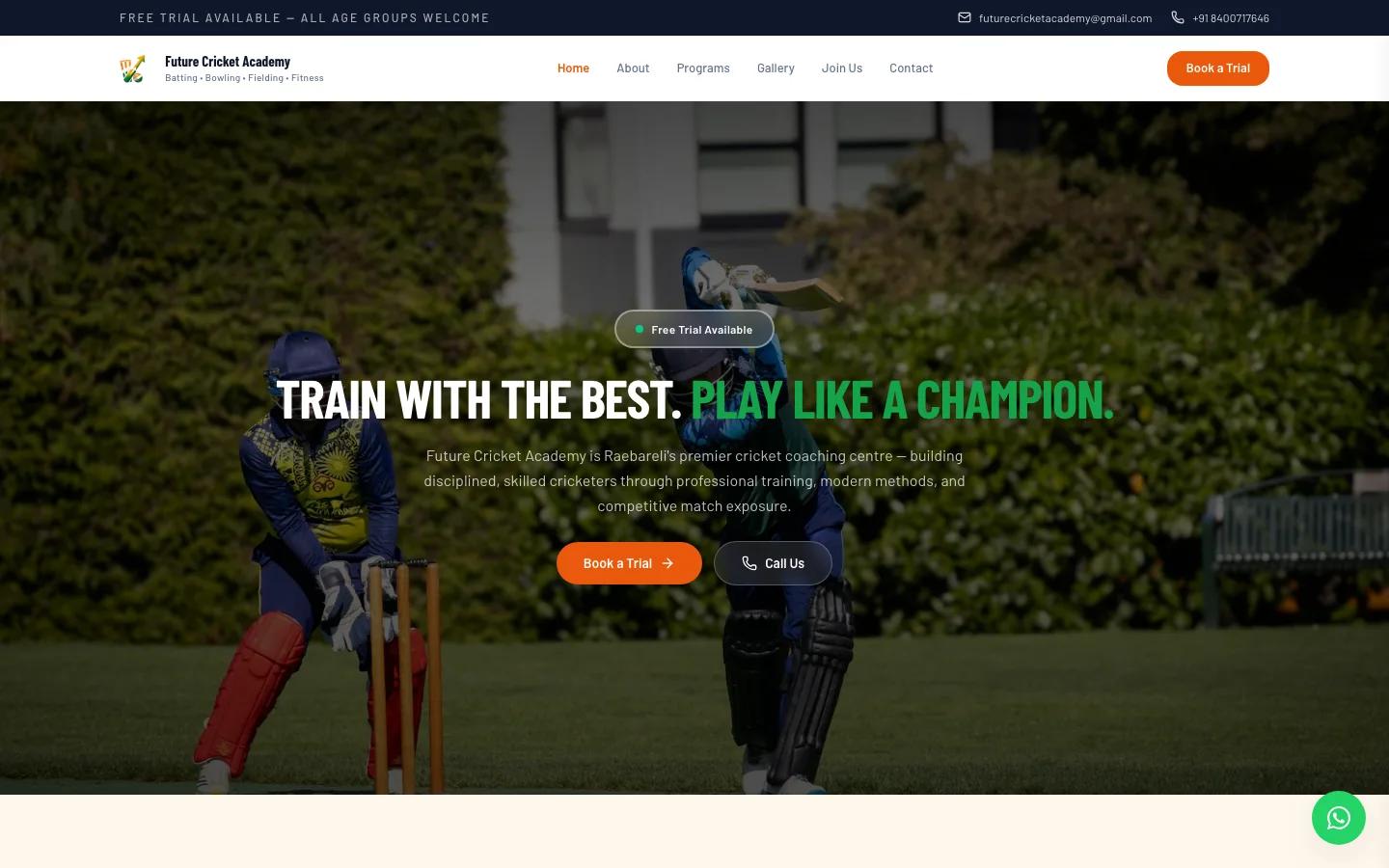
Live sites, not concepts. Both started from the same place — everything ran through the office phone.
Who this is for
- K-12 schools (CBSE / ICSE / State Board / IB)
- Coaching institutes
- Engineering & medical colleges
- Universities
- Pre-schools
- Boarding schools
- Online learning platforms
- Vocational training institutes
Questions people ask
How much does a school website cost in India?
Can parents apply for admission and pay fees online?
Can it connect to the ERP or SIS we already use?
Can parents and students log in to see fees, attendance and results?
What happens on result day, when everyone opens the site at once?
Can the website be in Hindi as well as English?
Do you build the photo gallery, events and notice board?
Is a website required for CBSE, ICSE or IB affiliation?
Guides for School
Related deep-dives from the Vellumarc blog.
Education
School Website Must-Haves in 2026: Admissions Funnel, SEO, and Parent Engagement
Most school websites list the school instead of serving the parent. What a high-performing site needs: admissions funnel, local SEO, mobile-first design.
Read articleBusiness
How to Hire a Digital Agency in India: The 15-Question Vetting Guide
Before you sign anything, ask these 15 questions. They separate agencies that ship from agencies that ghost — and save you 6–12 months of wasted roadmap.
Read article

Let’s turn your website into your unfair advantage.
Tell us what you’re building. You’ll hear back from Vishwa, not a sales team.
Let’s Get Started